Part One
VICTIM STATEMENT: Tom Roper
JP: Can you tell me something about yourself?
TP: I’m married with two grown up children. I’m 78 years old. I retired about 18 years ago due to ill health. I’m a small quiet person and I have multiple disabilities. I’ve had three operations to remove cancerous tumours, one on my spine. As a result of myocarditis and heart failure, I suffered brain damage following a front temporal lobe stroke, which left me weak on my left side. For ten years I’ve experienced lumbar spinal stenosis – my spinal cord being squashed by bone growth. Hence, every day I experience lower back pain accompanied by radiating symptoms into both legs (radiculopathy). An accident 20 years ago and subsequent upper spine injury led to Brown Sequard Syndrome and hyper and hypo sensitivity to left and right lower body. Spine and nerve pain can be overwhelming but after three operations and the inclusion of titanium plates, rods and screws, life remains difficult but tolerable.
JP: So how do you fill your time?
TP: Ilkley’s a great place to live. The community is friendly and supportive, and most people feel problems any problems we have, are caused by outsiders. Ilkley’s got everything including a cinema, theatre, tennis club, golf club, art classes, shops, train station, choirs, life drawing classes, a river, moorland . . . it’s endless. So, I dodder around a bit but mostly I try to do something worthwhile, for example, given the state of social welfare, I give my time free to supporting a few disabled people, keeping them safe, taking them out on trips, helping them with a hobby, or simply having a chat. It’s difficult to say where that interest started – maybe it began 70 years ago when I was a kid. There was a lad called Dave. He was a bit of a naughty sod and got up teacher’s noses, but he was tolerated because of his epilepsy. He had bad seizures, grand mals I think they used to be called. In the playground or classes, he would lose consciousness and wave, arms around and froth at the mouth. We, his classmates, would put him in recovery position and make sure he didn’t swallow his tongue, and reassure him when he came around. Basic stuff really.
JP: Can you tell me about what happened on 3rd July 2023?
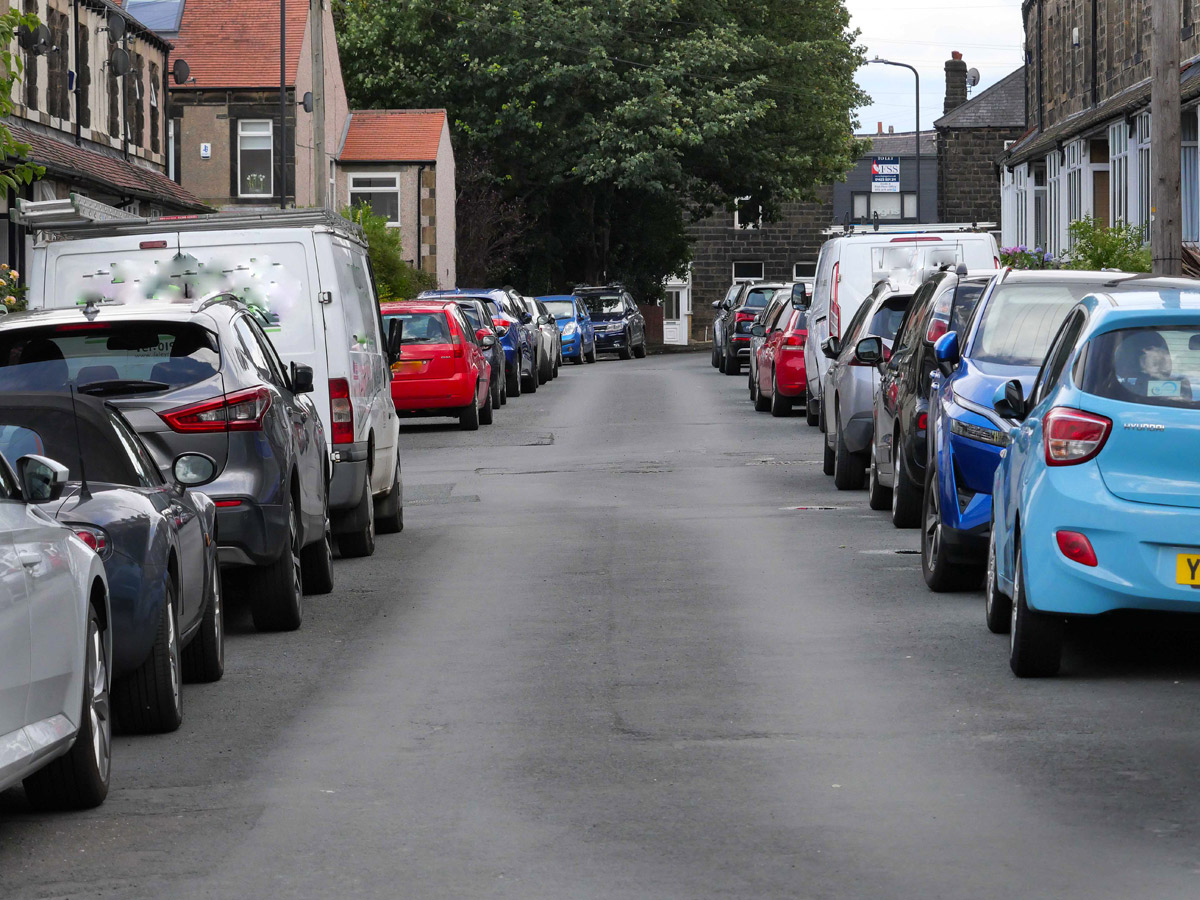
TR: Two and a half years on it’s still difficult to talk about. I received an urgent call asking me to get to Jim, a 35-year-old lad with autism, learning disability and epilepsy, whom I regularly support. Lovely bloke. He was experiencing ongoing tonic clonic seizures near the main road – very serious and dangerous. His attacks can last for 2 hours. I needed to reach him quickly and take him to a safe place. A major study in Sweden found that the life expectancy of people like Jim, because of ‘accidents’, was only 36 years. Jim was 35. I had to get to him asap before an accident happened – every minute counted. To reach him quickly I took the fastest route possible, avoiding busy roads and traffic lights. I headed down a narrow road, no people around except for a group of women chatting on the pavement. Cars were parked on either side so there was no room to pass or park. Then I spotted a DPD delivery van parked on the road facing me so I couldn’t pass. There were three obvious parking spaces very close to where he could, and should, have parked but he didn’t. (see road map and photograph of road). I was blocked in. The driver had chosen to leave his vehicle unattended in the middle of the narrow road whilst he delivered a parcel or socialized, some distance away. I don’t know how long the DPD van had been there before I arrived. How could I get to Jim?
Before I could answer that question, or think of a solution, screaming came from behind me. I looked into my rearview mirror and saw three large men waving their arms and shouting “He’s blocked us” when it was obvious to anyone present that the DPD Delivery van was blocking me any anyone else wanting to use the road. I was surrounded by angry people – one person at the back of my car, one in front, one at the side, all swearing and shouting, and beating my car with their hands. They shouted, “Get the fuck out of the way”, “Bloody idiot”, whilst aggressively waving their fists. I was really really scared. I opened my window and explained to the DPD van man and his ‘friends’ that I was in a hurry to reach a disabled man I supported who was having a seizure and was in danger. I asked politely if the driver would reverse 5 yards to allow me to pass on the left. However, they didn’t care about Jim and the violence escalated quickly. They began to beat the windows with their fists and kick panels of my car. I tried to stay calm, but I was shaking. Then a man, who turned out to be the PDP van driver, took out his phone and began videoing my fear and their violence – it didn’t make sense. ‘White van man’ and his ‘friends’ appeared to be enjoying belittling and ridiculing me. They laughed and joked with each other and encouraged people watching to join in the fun. All the time they repeatedly shouted that I was blocking their delivery van, which was absolute nonsense. More weird behaviour followed – the DPD man go into his van and reversed a couple of yards, stopped, and drove forward threateningly, lights flashing. He was adjacent but blocking one of the three parking spaces but refused to allow me to pull in. Instead, he turned his engine off, got out, and kicked one of my front headlights. I opened my door and pleaded again “Please let me through. I’m on a medical emergency; a man’s life is at stake”. He didn’t care about Jim. The violence escalated. One of his mates kicked the other front headlamp, and the DPD man kicked my door leaving a big dent to add to the many scratches in the panels of my car – £1,200 in damages I learnt later (see Appendix 3). If they damaged my car anymore, it was probable that I couldn’t get to Jim, so in desperation, I got out to plead with them to stop damaging my car and to let me through to get to Jim . . . . a big mistake . . . . my advice to anyone in this situation is to stay in your car . . . I couldn’t for Jim’s sake. . . . and then ‘Bang. . . . .’
JP: ‘Bang’? What happened?
TR: Out of the blue ‘Bang’ ‘Bang’. The DPD driver hit me – at least I think he was a DPD driver – he wasn’t wearing a DPD jacket. The first punch in the chest hit the side of my pacemaker, and caused a sharp pain (see Appendix 1, 2). The second punch was worse and knocked my backwards into the gutter. Luckily my head didn’t hit the gutter or the road, but the resulting back and shoulder pain was excruciating. Every time I moved even the slightest, a pain would go shooting down my back and I’d scream. His big boots came very close to me and for a moment I thought he was going to kick me in the head. He hit me because the plan all along was to steal my car keys. He only hit me because I was a 5ft 5-inch disabled pensioner. I bet he wouldn’t have attacked me if I was a young 6ft 2-inch scaffolder.
Then, thank goodness, the group of women came to my rescue. They placed a jumper under my head, a jacket on my upper body, and called the police and ambulance services. Three men had shouted, “It’s his fault for blocking us.” They replaced the victim blaming taunts with “Where are his (car) keys”? They grabbed some keys that lay on the ground and headed towards my car.” Then one of the women shouted, “They’re my keys.” They were returned and my keys were then stolen, and they reversed my car along with two other cars, and the DPD van headed off at speed to keep, I assume his next delivery deadline. He would be paid £0.65 by DPD if he delivered a small parcel on time. My life was put in danger for £0.65! I asked the woman whose keys were taken if she would be a witness. Her face said it all. She was, like me, scared of more male violence, and replied, “I don’t want to be involved.” Male violence, towards women and girls and the vulnerable, is widespread in the UK and scary and I understood how she felt so I nodded and said, “It’s OK”. One of the group took a photo of the DPD vehicle’s registration plate with her phone before it left the crime scene and gave it to the police during the 999 call. The ambulance was going to take 2 or 3 hours to arrive, so my wife was called and she planned to take me to the hospital.
JP: What were you thinking about lying in the road?
TR: I was really worried about Jim. Such a lovely bloke . . . . he didn’t deserve to have his life cut short or endangered. How would you feel if Jim was your son and treated as though his life was unimportant by a delivery driver? What was I going to say to his parents? Then it struck me that I was lucky. I could have hit my head on the gutter and suffered brain injury or death. The thought of a police officer called at my home to tell my family I was dead was too awful to contemplate. It had been a matter of inches.
I was in incredible back pain, so I tried to put my mind elsewhere. I thought about the state of social care in England – it’s never been so bad because of government cuts over the last decade. Lack of resources and support workers leaves the vulnerable i.e. children, older people, women, and those with physical and mental disabilities, unsafe. The DPD man and his mates, because of their selfishness and greed, had created a situation which made it even more unsafe for Jim.
DPD man and his ‘friends’ had moved my car and two other cars (theirs, since they were outside their house?). Isn’t that illegal? My car was then left parked diagonally across the road blocking it so no one could pass. The DPD man sped off to his next delivery to earn another £0.65. It was literally hit and run. Isn’t that illegal? Such narcissistic behaviour reflects an inability by my assailant the DPD driver who punched me, to understand or care about the feelings of others. He never asked about me or Jim.
JP: What happened when the police came to investigate?
TR: Not a lot. Three large police vehicles arrived with about six officers. One officer investigated the case and for the others it appeared to be a social gathering. The group of women stayed with me on the right side of the road. On the left side of the road the investigating officer elected not to talk to me or the woman who rang 999 and provided the police with the PDP van’s registration plate and had asked for an ambulance. Instead, I was told by another woman, it was the DPD drivers’ two friends, who had abused me and damaged my car, who were being interviewed. They had gone to him, she said, and that the interview was going on for a long time and was clearly dominating the investigator’s time. She said the two lived together in the house on the corner. Another woman said the one doing all the talking looked sly and furtive. Their version of events, I assumed, correctly as it turned out, was that I’d blocked the DPD van and that I attacked the driver and he had merely defended himself – absolute lies! They were two so-called ‘independent witnesses’, according to police records I later obtained weeks later.
I asked one policeman standing next me if there was a big dent in the driver’s door where the DPD driver had violently kicked at it when I was inside. He went over to inspect and returned and said, “Yes there is”. That was recorded on his bodycam and I wrongly assumed, noted in police records. He asked if I’d had pain in my back before and said “Yes, I’m physically disabled, caused by a combination of Brown Sequard Syndrome and Spinal stenosis. It’s a constant combination of nerve pain and numbness.” Our conversation was recorded on the officer’s body camera and notebook. Later, I asked to see the bodycam footage and notes and was surprised. Most of the video was blanked (JP – redacted) or the body cam was switched off and so the part where I asked about the dent in my door was missing; the section where I talked about my back pain was used to justify the police view that the DPD man had put his hand on my shoulder and I fell over (This was a claim of the two ‘Independent Witnesses’). The Police saw the problem of me falling over and physically damaged, not the result of being punched in the chest, but as a result of my spinal disability (Police Case Record). They claimed it was my fault I fell over because I was disabled!
JP: What happened at the hospital?
TR: I was taken to Airedale Hospital Accident and Emergency Department
I arrived at 5.45pm. I suffered agonizing back pain for 4 hours until painkilling drugs, including morphine, began to help. An X-ray was taken and fortunately no further spinal damage was found. CT and MRI scans were not used since they may have interfered with my pacemaker on which I am totally dependent. A doctor questioned me but didn’t examine me prior to being discharged at 10 pm with the following advice – “The diagnosis code is a provisional diagnosis and may not be an accurate final diagnosis especially for patients who are admitted to hospital from the Emergency Department. My advice is for follow up treatment by GP. I took this advice and appointments were made with a hospital physiotherapist specializing in backs/spines and my cardiac consultant pacemaker specialist.
At Skipton Hospital, on 10th July 2023, the Senior Physiotherapist examined me. In his professional opinion my intense spinal pain was a result of my back absorbing the force of the fall thus protecting my head from the prospect of serious injury. He explained that my injuries were the result my body’s natural instinct to protect my head from traumatic skull injury and terminal cranium nerve damage. He went on to describe the case reported on BBC and in the Guardian that day:
Peter Ormerod, 75-year-old retired grammar schoolteacher died after being pushed in the chest by a 40-year-old man in the street in a row over Welsh independence, a court heard. This caused Peter Ormerod to fall backwards on the back of his head. Having hit the ground, Peter Ormerod did not move again. Mr Ormerod died in hospital four days later having suffered traumatic head and brain injuries.
“You were very lucky . . . at least your brain’s intact” he said, then pointed out that West Yorkshire Police, like many other police forces around the UK, have a ‘One Punch Can Kill’ campaign to remind people that in a split second a person can become a killer or be killed: https://www.westyorkshire.police.uk/one-punch-can-kill (see poster on first page). It’s a pity West Yorkshire Police don’t apply such concepts in practice. I had physiotherapy for months afterwards to relieve pain and improve mobility.
The bruising around my pacemaker was a worry. After seeing the bruising where the wires run, (see photo and diagram Appendix 1 and 2)) my consultant at the Cardiology-Respiratory Department at Leeds General Infirmary, was concerned that my pacemaker function might be impaired. I now have a Medtronic monitoring device next to my bed which sends data to the hospital. Hence, they were able to conduct checks on it over a three-week period until the bruising subsided and at regular periods over two years. My consultant said I was fortunate to survive. Whilst the pacemaker unit is robust the wiring could have been damaged or dislodged by the force of the blow – if that had happened, I could have experienced electric shocks or a system failure, which may have been fatal. I had a new pacemaker implanted.
JP: Physically you survived but how about your mental health?
TR: That’s difficult for me to talk about
I experienced four different traumas that day: First, abuse, and damage to my car, by three men; second, physical assault by the DPD driver in the street which could have led to brain damage or death; third, the most damaging for me, the terrible, uncaring unprofessional behaviour, of the West Yorkshire Police’s investigating officer (IPO); fourth, and finally, the worst trauma for me, was the total lack of concern for the fate of Jim, who lives a difficult life anyway. I was lying in the gutter and no one cared that Jim was in considerable danger at the time. All the traumas were deeply shocking, but in different ways, and like nothing I’ve experienced before.
I scribbled some notes at the time:
“Whilst in Airedale A+E an officer told me the investigating officer would arrange a meeting to take my statement. That never happened. I find it disturbing that as the victim of abuse and assault and a key informant I was not interviewed to obtain my perspective before the case was closed, two hours after the assault. If I was dead or had serious brain injury maybe it would have been different but because I’d survived the IPO closed the case.”
The investigating officer left a brief message on my family’s answer phone whilst I was still in hospital. This was meant to be the totality of communication between the police investigator and victim, me, i.e. a summary of evidence and the decision to close the case after only 2+ hours of investigation:
“This is a message for Tom Roper. . . unfortunately we have liaised with witnesses at the . . . I know that Tom has been pushed. . . a road-related incident. . . two independent witnesses have said they have seen you confront him and he has turned around and put his hand on your shoulder, which has then caused you to fall over. Two ‘sort of’ independent witnesses. . . his vehicle has been stopped and he has some of this matter on video which he has shown to officers which does ‘sort of’ corroborate as well of that so we wouldn’t realistically deal with him for an assault because he’s argued he acted in self-defense so it does make it very difficult for us. Based on that and the witness accounts we’ve obtained and CCTV we’ve viewed erm from a police point of view we won’t really be able to take any further action unfortunately. I know that will be disappointing for you and erm you will be frustrated with that outcome but for reference the crime we’ve recorded is **********.”
It was all nonsense. The DPD driver and mates were claiming that ‘He hit me first, it was his fault. Isn’t victim blaming the standard response of those who assault the vulnerable’? I watched ‘Dixen of Dock Green’ as a kid and trusted the police. Not anymore. Like many others, my trust in the Police’s ability to investigate crime, and keep our streets safe, is non-existent now.
For many months years even I remained deeply depressed, experienced anxiety, loss of sleep, I avoided leaving my home and evaded all human contact where possible. I didn’t answer the door in case there is a delivery via DPD. The thought of my attacker knowing where I lived and coming face to face with him filled me with dread. When I venture into town, I get nervous and anxious when I see delivery vans, especially the local DPD van driven by my abuser. I know that he could physically assault me again, and claim ‘self-defence’ again and be believed by West Yorkshire Police. I no longer feel safe. A few weeks after the assault I was able to walk into town. I noticed three delivery drivers watching me, their white vans blocking the footpath as usual. Then they noticed me and began pointing at me laughing. Obviously, the delivery driving community thought what happened to me was funny.
My doctor diagnosed PTSD (Post Traumatic Stress Disorder) and recommended counselling which I agreed to. Two years on little had changed and there was no way forward except opting for self-harming – it was that bad. Two years six months on, and more counselling. It’s my only hope to get my life back. Losing 2 or more years of my life to violent crime and uncaring non-investigation by police, is hard to take. I’m sorry. . . .can we move on . . . I feel bad.
JP: Sure. It sounds awful. Can you tell me more about the investigation and what happened after the case was closed?
TR: Yes, but it’s not easy for me. I attempted to contact the investigating officer via the West Yorkshire Police Local Crime Tracker. I tried three times over 18 days without a response. On the Crime Tracker form, I ticked the box stating that I wanted to be contacted by email each time and not by telephone. I wanted a record of my questions and his responses. However, after more than three weeks, the investigating officer rang my home telephone at 7.30am in the morning when I was asleep. I assume this was meant to prevent me from asking tough questions. He was grumpy and unpleasant from the start. Seeking clarification, I asked eight questions I had prepared and made notes of his answers (from notes written at the time):
- When I asked why I was not interviewed for my testimony he immediately took offence and told me he didn’t need to – he claimed he had enough evidence to close the case.
- When I asked if his so called ‘independent’ witness really did claim my assailant put his hand on my shoulder which caused me to fall over, he said “Yes”. This illogical, and to me nonsensical statement, required further scrutiny. He refused to question this ‘evidence’.
- When I asked if there was CCTV evidence, as he claimed, on which he based his decision to close the case he said “Yes”. When I asked to see the CCTV since it may have evidence of the vandalism to my car and abuse of me, he said “No”. I later established via ‘Right of Access’ data that there was no CCTV footage. He was talking about the DPD van’s Dashcam footage which was controlled by ‘white van man’, my assailant.
- I wanted to know who had moved my car before the police arrived – “No comment”.
- I wanted to understand his lack of reaction to the ‘white van man’s’ behaviour – he literally hit and ran leaving me in great pain and potentially life-threatening injuries, and most importantly, it left Jim in a vulnerable position. My assailant’s self-important behaviour, reflecting an inability to understand or care about the feelings of others, was never questioned by the investigating officer. Why didn’t the police consider it inappropriate for my assailant to leave the crime scene immediately after the assault without showing concern for the injury’s he’d inflicted or seeking help for me or Jim? “No comment”.
- When I asked why he’d not interviewed the woman who had taken a photograph of the number plate of the white van before my assailant rushed off leaving the crime scene – he became very angry shouting “Stop wasting police time” and “The case is closed”. I thought victims were listened to and supported. Obviously not.
- I asked if he had checked if anyone involved had a criminal record or was known to the police. This was a legitimate question for a number of reasons e.g. the incident took place outside the home of male with a criminal conviction for physical assault; there five other ‘white van men’ living in the street – a local police officer would have known this; I believed this was not a one-off incident as pointed out by the inquiry by Equality and Human Rights Commission into Disability-related Harassment ‘Hidden in Plain Sight’- ‘Incidents are often dealt with in isolation rather than as a pattern of behaviour’. He refused to answer and ended the conversation with his silence. He’d ticked the boxes and was onto his next case.
- Finally, I asked how he verified that the two witnesses, who were together, were ‘independent’ and was he aware they lived in the same house, and were van drivers, but he was gone, there was silence, he’d dumped me.
A friend who worked in the justice system suggested I didn’t contact the police again because “They’ll react badly”. However, my local MP advised me to make a complaint to the West Yorkshire Complaints Officer, so I did. Big mistake by me. The Complaints Officer was a third-generation police officer, and was hell bent on protecting the Investigating officer and West Yorkshire Police’s reputation.
When I received a letter of response from the West Yorkshire Police Complaints Officer, I was shocked. West Yorkshire Police’s reaction included such standard phrases as “I am sorry that you have felt dissatisfied with the service offered by West Yorkshire Police on this occasion” and “Where we can, West Yorkshire Police seek to learn from feedback offered by members of the public”. Although I anticipated a “No” I didn’t expect the statements that followed: “you were the main aggressor during the incident” and that I assaulted him! Hence, my friend was right, and as a result of me making a complaint my status of ‘victim of assault’ changed to ‘person who assaulted’. The Complaints Officer concluded: “Unfortunately, as you were not identified as a victim, you are not eligible for the victim’s right to review process. Furthermore, as you were not identified as a victim, the victims code does not apply and contact with you would not fall under this code”.
JP: Sounds like you hit a brick wall. Any final thoughts?
TR: Yes. Two thoughts. To me, the DPD driver acted as though he was going through a routine of playacting. It’s as though he’d assaulted vulnerable people before. He’s selfish. He’s not concerned with other people’s feelings even if they are disabled. He manipulated the police and they appeared to be happy with that – it saved them work and effort, maybe they were too busy with other cases. I feel he’s abused before. He’ll abuse again. Who else has he abused in the past and will abuse in the future? Women children, old people? Months later I read that nearby, in Bradford, a white van man had used his vehicle as a weapon and killed a man. Who was he?
The second thought is the most depressing. Nobody, absolutely nobody, asked about Jim. Being close to a main road and having a prolonged seizure could have caused serious injury or even death. Nobody, not the DPD driver, or the investigating officer, witnesses, police complaints officer, nobody asked about his welfare. How would you feel if you had a disabled son who was treated that way? We live in an uncaring world. I got the word out and Jim was taken to Leeds General Infirmary and seen by a specialist. He has a new set of drugs to help him control his seizures and keep him safe. It could have been very different.
Postscript: (1) One month on I took boxes of chocolates to say ‘Thanks’ to the group of 4 or 5 women who helped me after the assault. The first person I met was obviously very nervous and kept glancing across the road to where the two so-called ‘independent witnesses’ lived. I didn’t want to worry her or a second woman from the group, who reacted in similarly, so I didn’t bother them anymore. From what I read in the papers mean treating women badly is getting worse. The women who witnessed the male violence against me were probably worried for their own safety. I can understand that.
(2) Nine months later West Yorkshire Police announced there had been a reduction in crime in Ilkley. The Ilkley Mayor responded by an article in a local newspaper stating, as many in Ilkley believe, that the reduction in crime was probably due to the reduction in crimes being reported since the police weren’t investigating crimes in the town.
(3) A year later I was driving along the same narrow road with no space for me to pull in, as before, when I noticed a white delivery van parked in the middle of the road. I was taking Jim out on a trip, and he was sitting next to me. I was worried of course. However, the driver soon returned and reversed to the clear parking spaces 10 yards back and pulled in so I could pass. I waved ‘thanks’, he smiled and waved back and then headed off. So easy. It was not driven by a DPD delivery driver.
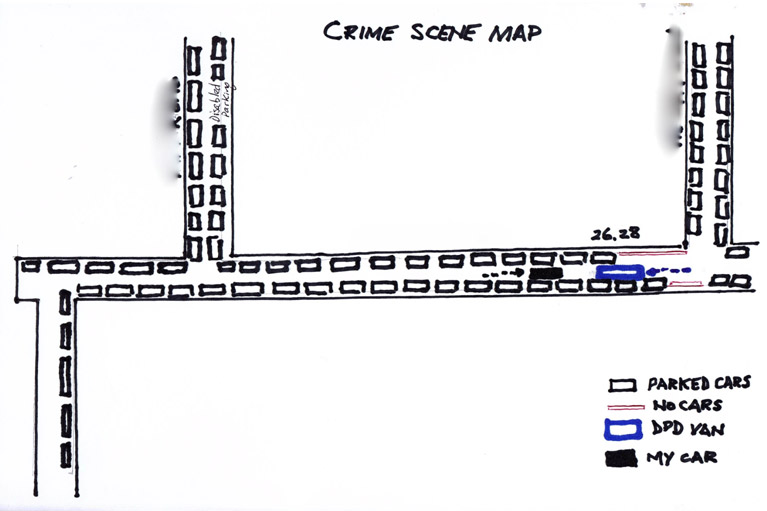 |
Road Map:
Parked cars on road with parking space top left.
Appendix 1: Bruising to pacemaker area and left shoulder because of punch and fall.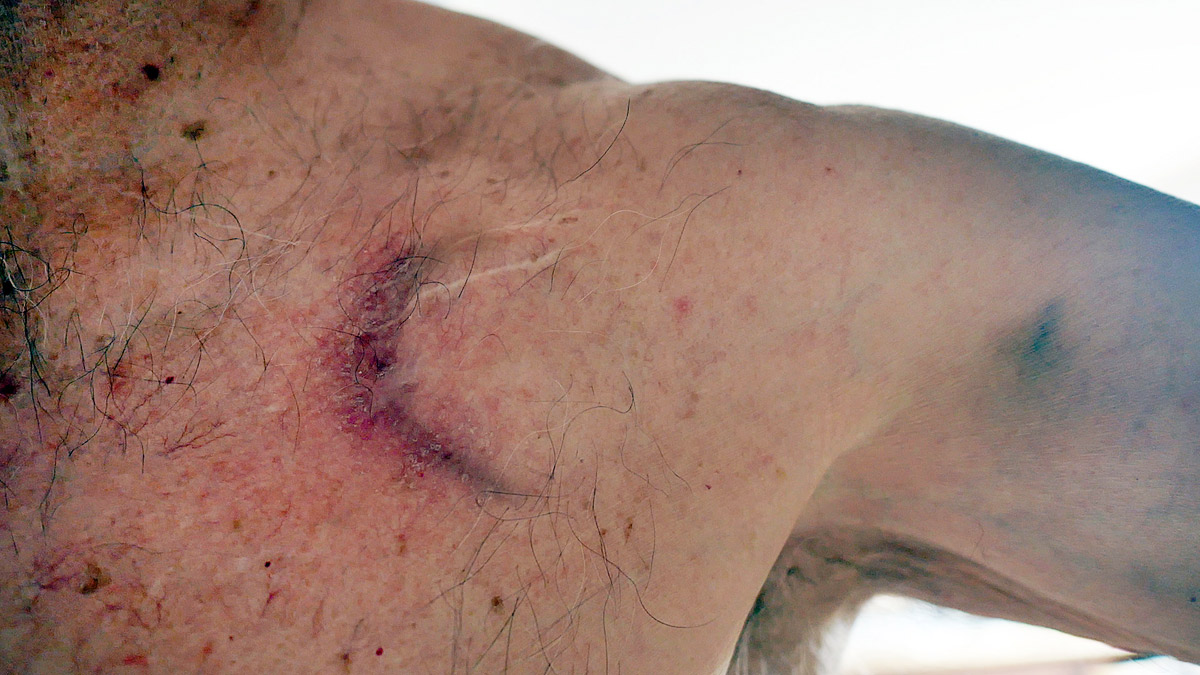
Appendix 2: Note position of pacemakers wires relative to position of bruising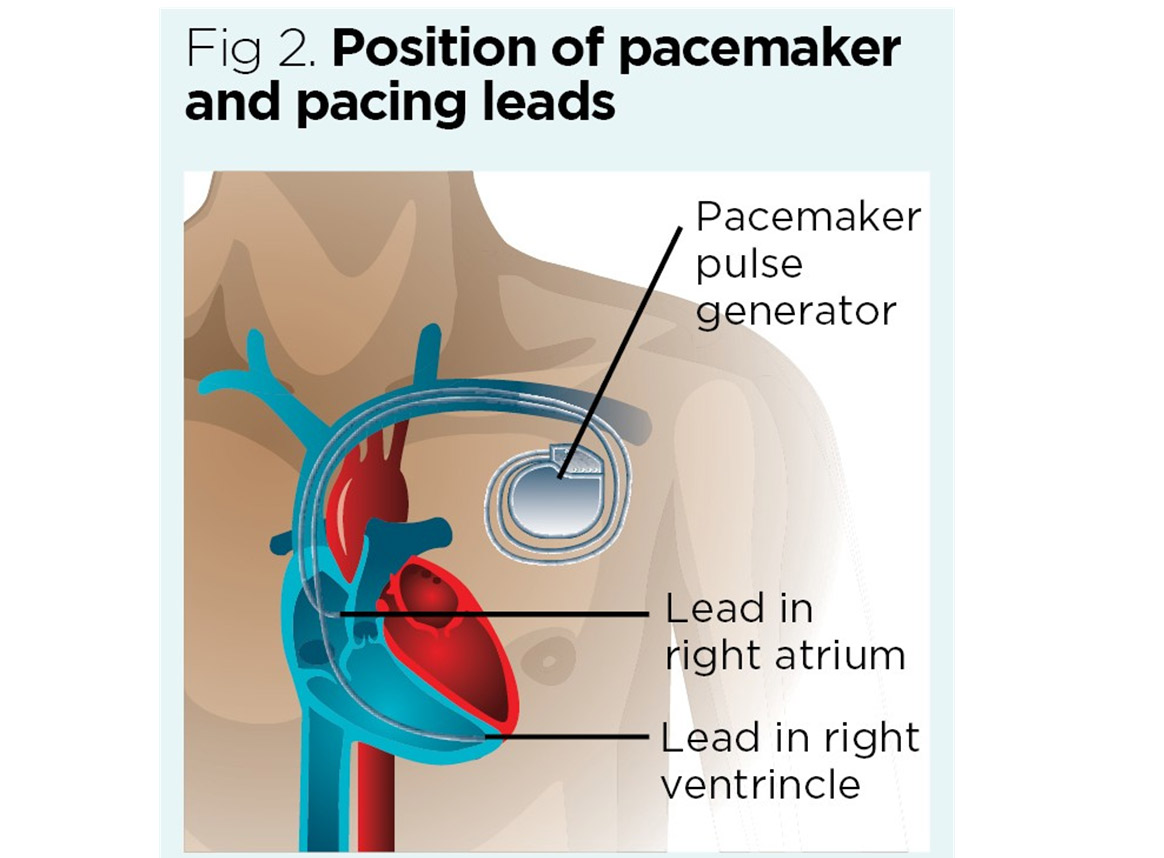
Appendix 3: Big kick and dent to front right door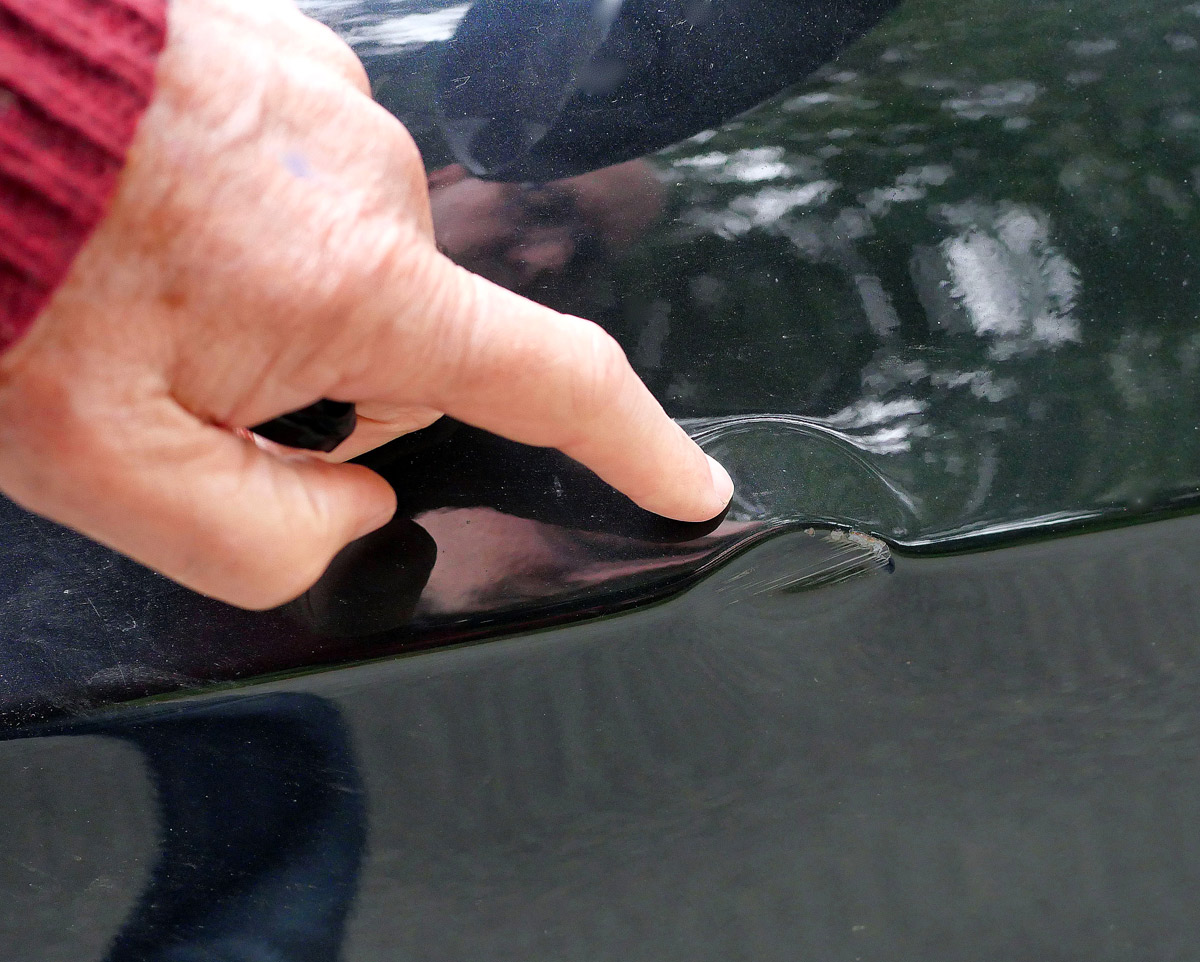
Back right door, other doors similar damage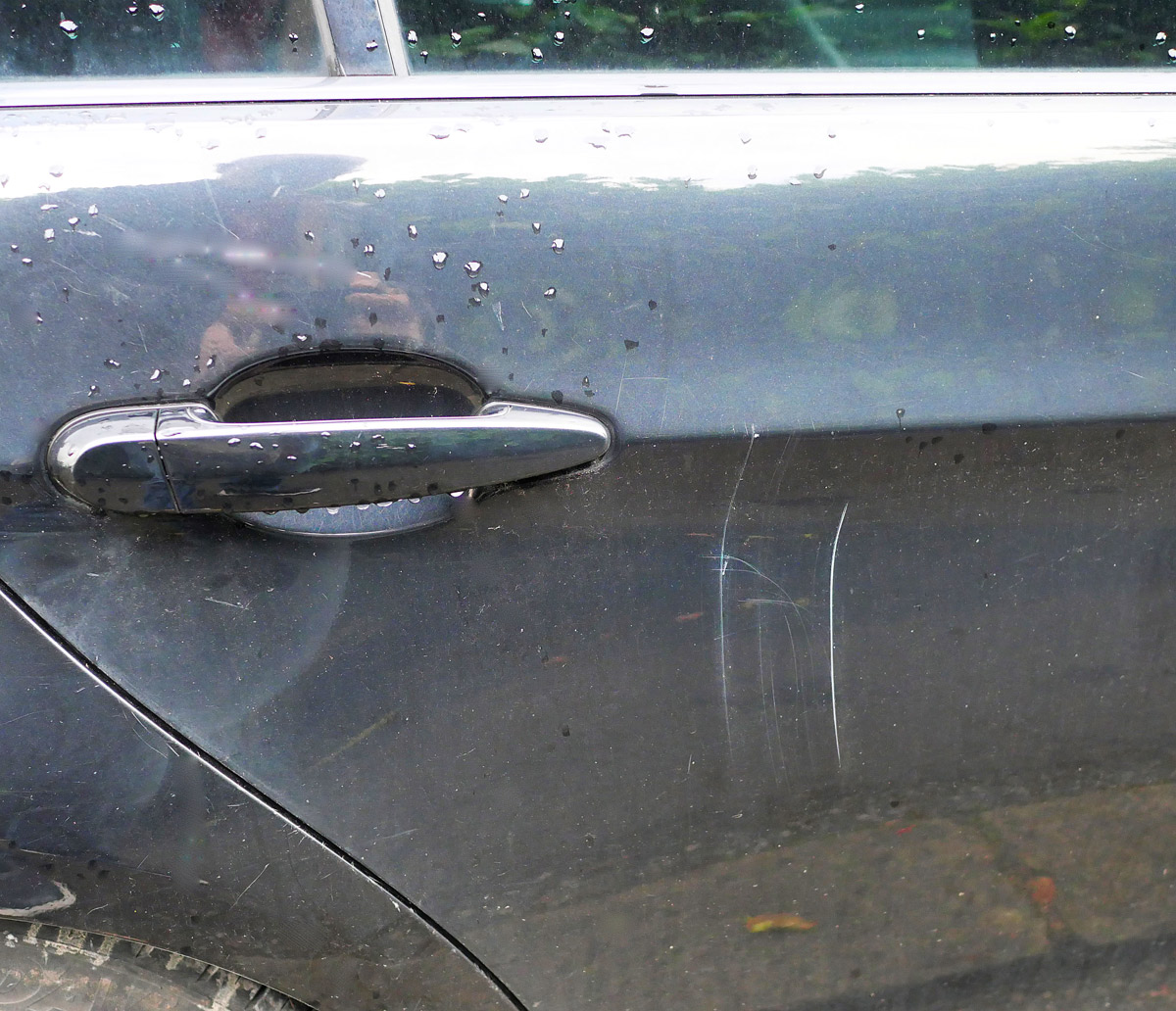
Part 2
WEST YORKSHIRE POLICE INVESTIGATION: Jon Prosser
Part Two is a critical reflection of the police investigation that took place on 3rd July 2023, in Ilkley, West Yorkshire. Researchers call this ‘an information rich case study’ because it raises many important questions about the ‘rhetoric- reality gap’ of everyday police enquires in the UK. What is apparent, from the beginning, is difference between the UK Police College recommendations with regards how investigation should have taken place, and what actually took place in this instance. It’s been noted, in various studies, that weaknesses in the application of investigative practice, coupled with systemic problems in the 48 territorial police forces in the UK, has led to the reduction in trust of policing in the UK. A survey in October 2024 found that 52% of adults in the UK had little or no confidence in police’s ability to tackle local crime This year, 2026, research has shown that public confidence in policing is the lowest it has ever been. Policing needs public confidence to function:
The public confidence in the police is essential for their effective functioning. Without the trust and confidence of the public, the police will be seriously limited in their ability to perform their duties. (College of Policing).
The critical first hour of any police investigation: four important issues.
(1) One of the group of women on one side to the road, who witnessed the incident and assault of Tom Roper, phoned 999 for an ambulance and the police. I assume she believed, correctly as it turned out, that Tom Roper was injured and needed hospital treatment and that a crime had been committed. West Yorkshire Police operate limited Pegasus and VCOP schemes which were not applied in this case. Hence, the police 999 phone operator, and consequently the investigating officer, were unaware and failed to check, that the victim was 78 years of age, had multiple disabilities, and consequently highly vulnerable to abuse:
The investigating police officer (IPO) was unaware or simply unwilling to apply the VCOP code in this case. He treated the victim poorly, possibly abusively, in multiple ways. The responsibility for ensuring the safety of the vulnerable in Ilkley and the UK is covered under the Care Act 2014:
Local Authorities, police, the health board, regulators and other public services work together and are committed to ensuring that vulnerable adults are protected from abuse and neglect, and will take immediate action where necessary, to keep vulnerable adults safe from harm. (https://www.legislation.gov.uk/ukpga/2014/23/contents).
The West Yorkshire IPO failed to take account of or implement The Care Act 2014, as is his duty. This was unprofessional and illegal.
(2) The IPO made no attempt to establish the crime scene at the time of the assault/abuse, or how it had been significantly changed and by whom.
The way in which a crime scene is managed affects the quality, quantity and integrity of the material gathered. It is, therefore, essential that investigators identify and prioritise crime scenes, as they may contain material vital to the successful outcome of the investigation. (College of Policing).
According to three witnesses (Tom Roper and two women) the crime scene was altered significantly by three men, all of whom committed crimes. They moved two/three cars that were parked on one side of the road where two of the abusers lived, stole a female witness’s car/house keys, stole Tom Roper’s car key, and drove Tom Ropers car, without his permission, without insurance. This is illegal. Most importantly, the DPD delivery driver, who assaulted Tom Roper and damaged his car, left the crime scene in his van. No police record of the changes to the crime scene, was provided, probably because they were not considered significant at the time and consequently not recorded.
(3) A basic, but important question, to ask key informants (the victim of abuse and the abuser) is ‘Why were you at the crime scene’? Dr Roper, the victim, was driving along the road on a medical emergency. He sought to ensure the safety of a disabled man with autism, learning disability, and epilepsy, who was experiencing a seizure adjacent to a major road. The DPD driver had parked blocking the road and left his vehicle whilst, we can assume, he delivered a parcel. This is illegal under the Emergency Workers (Obstruction) Act 2006 and the Highway Code 2022. That the DPD driver acted illegally should have been established in the first hour of the investigation.
(4) The success of any investigation depends largely on the accuracy and detail of the material obtained from witnesses. During the first hour the local context and key informants should have, where possible, been identified and interviewed. The investigating officer was immediately, and assertively, approached by two males who occupied all his time and clearly determined his future focus, thereby dictating the course the investigation would take. Instead of questioning the motive behind their enthusiasm to express their version of events, the officer unquestionably accepted their views. There was no critical reflection. The officer did not ask to speak to the person who rang 999 and who asked for medical support and police involvement. Tom Roper the victim of assault, was never interviewed as was his right. Clearly this is a major failing of the investigative process by the IPO. At this stage, Tom Roper was a victim under the Victim Code as per the College of Policing definition:
Who is a ‘victim’ under this Code? This Code acknowledges that the terms ‘complainant’ and ‘survivor’ are often used in the criminal justice system to describe a person who has made a criminal allegation to the police. However, for the purpose of this Code, the definition of a ‘victim’ is: a person who has suffered harm, including physical, mental or emotional harm or economic loss which was directly caused by a criminal offence.
Why did the IPO, and later the West Yorkshire Complaints Officer, not accept that Tom Roper was a victim, given that he went to hospital, experienced severe pain as a result of spinal damage, chest and shoulder damage, had visual evidence of being punched twice, had £1,200 in economic loss (pointed out to the police at the time) and suffered and continues to suffer mental and emotional harm (Ilkley Moor Medical Practice, Bradford District and Craven Talking Therapies)?
Why was there no level playing field for Tom Roper? Why didn’t Bradford Council promote wellbeing of its citizens when carrying out any of their care and support functions in respect of Tom Roper? Why wasn’t Tom Roper enabled to participate as fully as possible in decisions at every stage in the investigation? Only the abusers were involved. Tom Roper was not involved in the police investigation in any way.
(5). Failures in the first hour, meant the investigation was heavily biased, both personally and procedurally, from that point onwards. Why did such poor practice by the IPO so early in the investigation, take place? Poor training, personal loyalties, values or beliefs? – that’s open to conjecture. The consequences of poor decisions made in the first hour and how they reflected and impacted on the investigation that followed, are more easily examined.
Collection, recording and Interpretation of data: three poor practices
(1). The first witnesses to be interviewed, the two so-called ‘independent witnesses’, lived in the same house and worked together, so were likely to offer the same account of the assault. They were likely to lie because they were abusers not ‘‘independent witnesses’. They had committed four crimes: (1) emotional/psychological abuse causing mental distress and fear by using coercive, harmful behaviour (Serious Crime Act 2015). (2) verbal abuse, screaming, shouting, swearing, threatening language (Public Order Act 1986) (3) physical damage to the value of £1,200 to Tom Roper’s car (Criminal Damage Act 1971). (4) by gaslighting which was criminalised in December 2015 under Section 76 of the Serious Crime Act (2015). There were independent witnesses but no other interviews by IPO took place.
(2). The community where the assault took place was occupationally important – 5 white van drivers lived in the street, and males with criminal records for serious assault, lived adjacent to where Tom Roper was assaulted. The investigating officer was not local, and Ilkley, at this time, did not have local police officers. Hence, this important data were unknown to the investigating police officer (IPO) and therefore unrecorded. Tom Roper informed a police officer that the abusers had damaged his car, and this was noted and agreed by the officer. However, the officer did not record the information, nor was it present on his bodycam since it was either switched off or deleted, or it was decided not to allow Tom Roper’s request to see the footage. A BBC investigation into the UK Polices Forces’ use of bodycams concluded “The cameras were introduced to improve policing transparency, but we found more than 150 camera misuse reports with cases to answer over misconduct, recommendations for learning or where complaints were upheld.” (BBC Sept, 2023). Police forces’ attitudes towards cameras are wrong, says Baroness Louise Casey, who conducted a year-long review into the Met Police published in March 2023, and found it lacked accountability and transparency. Poor data collection and recording of data constitutes unprofessional behaviour but is common practice across UK Police Forces. Tom Roper’s experience was not unusual.
(3). Lack of Reflexivity
The two, and only, ‘independent witnesses’, were two of three males that assaulted and abused Tom Roper. Within a very short time they determined the direction of the investigation whereby police later claimed Tom Roper was ‘not a victim but the main aggressor’. This was an obvious and well-known, well researched tactic of abusers, poorly performing police officers investigating crime, and the legal system in general – it’s called ‘victim blaming’, and it’s a topic to which I’ll return.
What is clear is that within a very short time the investigating officer’s mind was made up – it became fixed. The IPO did not seek alternative perspectives or think reflexively as suggested by the College of Policing. This fixed mindset is a common problem in the UK whose 48 police forces struggle to bring to justice criminals due to limited online training and resources, to protect communities from crime. The investigating officer believed the so-called ‘independent witness’ and consequently only sought evidence which supported their lies and the investigating officer’s personal bias. Ignored any evidence to the contrary thinking constitutes mindset. This goes against all accepted good practice in any type of investigation. It’s crucial that a form of triangulation of evidence takes place in order to take account of personal and procedural reactivity especially where vulnerable people are involved. Without triangulation any investigation will, as in this case, lack credible validity and reliability. Failure to interview Tom Roper further impacted on his mental health and meant that no triangulation of evidence took place. His, victim evidence was pivotal to the investigation as the College of Policing point out:
Without the accounts of those who played a central role in the crime, or those who have witnessed an important aspect of the commission of a crime, other sources of material such as CCTV images, fingerprints and forensic material, although extremely important, may have little value. (College of Policing).
Importantly, it is well known that an officer’s early fixed mindset, leads to tunnel vision and confirmation bias:
Tunnel vision is the tendency of actors in the criminal justice system to use short-cuts to filter evidence selectively to build a case for a suspect’s conviction. Confirmation bias tends to favour information that confirms an individual’s preconceptions independently of the information’s accuracy: the present study manipulated tunnel vision and confirmation bias. (Eitan Elaad, 2022).
Confirmation Bias by police is common, hard to root out, and a global phenomenon:
‘Once police decide they have the right suspect they tend to develop “tunnel vision” that obscures other possibilities. They become focused on building a case against the person they’ve decided is guilty, ignore or minimize countervailing evidence, and interpret ambiguous evidence in a way that supports their initial conclusions.’
(Rossmo & Pollock, Criminologists, report in the Northeastern University Law Review, USA).
Importantly in this case, as a result of ‘mindset’, the investigating officer failed to interview Tom Roper, a 78-year-old victim of a serious crime, with multiple disabilities.
Confirmation bias and tunnel vision are dangerous because they negatively impact on effective investigative practice and, more importantly, negatively on people’s lives. They have been shown to lead to innocent people spending 28 years in prison. Their impact on investigative practice also means those guilty of crimes are not caught, go unpunished, and in one case in the UK, go on to murder six more women.
Exercising professional curiosity – a summary
Exercising professional curiosity to understand a person’s vulnerability and risk of harm, as in the case of Tom Roper, would have been helpful to the investigation. With more curiosity in place there would have been more chance of justice for what was a serious, life-threatening assault, and placing Jim’s life in danger. However, here I’ll consider how professional curiosity and standard recommended investigative practice, could have helped in terms of collecting and analysing evidence, in this case.
A basic, common-sense, ‘probing’ approach:
The IPO failed to ask many important questions with regards, for example, the DPD driver. Three simple but key questions should have been asked but weren’t: (1) Why didn’t you reverse your delivery van 10 yards to let Dr Roper past in order to make safe a disabled man (Jim) who was having a seizure near a main road? (2) Clearly, Tom Roper was in great pain after you punched him and knocked him over, yet you didn’t seek medical help for him but instead stole his keys and his car and drove off in your van to your next delivery. Why did you behave in such an uncaring way? (3) Why did you appear from behind Tom Roper’s car shouting “He’s blocking me”, when it’s clear that you were blocking him from carrying out a medical emergency? None of the three questions posed were asked hence no evidence of possible wrongdoing was collected or even considered by West Yorkshire Police.
A standard ‘College of Policing’ approach to investigating crime was missing.
Data collected from the three abusers merely confirmed the IPO’s bias. The IPO accepted and believed their lies without question and interpreted the lies as confirmation of abuse by Tom Roper, thus contributing to evidence of Tom Roper’s guilt in the eyes of the investigating officer and the West Yorkshire Complaints Officer. There was only one side of the story collected when there should have been ten. (1) There was no victim’s evidence, (2) no independent witness evidence from the four women present, (3) no evidence from Jim, (4) no evidence taken from crime scene examination, and no inter-agency co-operation. (5) The IPO only saw evidence from the DPD vehicle’s dashcam provided by the DPD driver along with his explanation of what the footage showed (showed him reversing a very short distance of 2/3 yards). The IPO should have collected dashcam evidence from an earlier sequence which showed an empty road in front of the DPD vehicle and therefore evidence that the DPD driver had blocked the road of Dr Ropers on his way to a medical emergency. Hence, the limits placed on the collection of evidence in this case limit the quality, quantity and trustworthiness of findings of the investigation. (6) Ensuring impartiality investigators should ensure impartiality in the way in which they listen to and evaluate the material provided by victims, witnesses and suspects (College of Policing). This never took place because only the suspects were interviewed. (7) There is consistent evidence that an initial hypothesis or initial belief in a suspect’s guilt/innocence significantly affects interpretation of further evidence and can lead to the seeking of evidence to confirm a hypothesis (College of Policing). ‘Mindset’ took place in this case and was wrong. (8) A possible strategy to reduce confirmation bias in the investigation process is for investigators to be instructed to ‘consider the opposite’ during the identification and formulation of hypotheses in criminal investigation. . . . There is no available evidence that training can eliminate unconscious bias. However, there is some evidence from clinical and educational settings to suggest that empathy training or interventions have potential to mitigate bias (College of Policing). The IPO in this case urgently needs such training otherwise he will continue to be manipulated by abusers who will continue to abuse the vulnerable in society, including women and children and those in domestic abuse situations. (9) Since only the abusers in this case were interviewed the victim Tom Roper was not identified as a vulnerable person and hence the crime was not recorded as involving a vulnerable victim. (10) Procedural justice, defined as treating people with respect and dignity, making decisions in fair, transparent and accountable ways, and allowing people a voice, can impact public cooperation with the police (Jackson and Bradford, 2019). In this case transparency was missing since notes of the victim’s statement abuse the abuse he received, the rudeness he experienced from the IPO where not recorded.
Narcissistic Behaviour
Tom Roper made a very important point at the end of his statement:
. . . . . the DPD driver acted as though he was going through a routine of playacting. It’s as though he’d assaulted vulnerable people before. He’s selfish. He’s not concerned with other people’s feelings even if they are disabled. He manipulated the police and they appeared to be happy with that – it saved them work and effort, maybe they were too busy with other cases. I feel he’s abused before. He’ll abuse again. Who else has he abused in the past and will abuse in the future? Women Children, old people?
The 999 Call Handler recorded the event as a ‘Road Traffic Incident’ where one party has suffered an injury. However, Tom Roper’s description of the episode is more in line with an ‘Abuse of Vulnerable People’. Moreover, he is describing narcissistic behaviour by the abuser. The IPO may not have been aware, or trained, to understand ‘Abuse of Vulnerable’ or have prior knowledge of Narcissism. Toxic, macho, laddish culture, is seen by many to be central to UK Police Forces. Only by changing organisational culture will this change. Empathy training (College of Policing) is the only way forward for the IPO in this case.
Very common narcissistic behaviours by abusers of the vulnerable are gaslighting and victim blaming. Both were present from the beginning of this case and aimed at protecting the abuser’s fragile ego. Narcissists can appear very charming yet also demonstrate an incapacity or unwillingness to understand others’ emotions and needs. Gisele Pelicot survived her ex-husbands crimes but recalls “He was loved by everyone. That’s what is so terrifying.” It’s a persistent belief in their own superiority that doesn’t waver even when reality contradicts it. Pervasive arrogance colours nearly all their interactions, from how they talk about other people to how they respond to even minor criticism.
It is known that Narcissists use gaslighting tactics like blaming victims for things they have not done or never said, manipulating memories by denying ever having had certain conversations or claiming certain facts never happened at all in order to undermine victims’ or witnesses’ self-confidence and prevent them from asserting themselves against further abuse or witness statements. A gaslighter’s statements and accusations are often based on deliberate and persistent falsehoods and calculated marginalization and are illegal in UK Law.
Gaslighting is a form of persistent manipulation and brainwashing that causes the victim to doubt her or himself, and to ultimately lose one’s own sense of perception, identity, and self-worth. A gaslighter’s statements and accusations are often based on deliberate falsehoods and calculated marginalization. Gaslighting by abusers coupled with confirmation bias by police further damages victim’s lives. Here, I will consider three examples of gaslighting and confirmation bias in action in this case:
- Tom Roper stated, “I looked into my rear-view mirror and saw three large men waving their arms and shouting “He’s blocked us” when it was obvious to anyone observing that the DPD Delivery van was blocking me and anyone else wanting to use the road.” Common sense could have been applied by the police. Who was most likely to ‘block’ the road – a DPD driver on a strict timetable stopping to deliver parcels or someone on a medical emergency? Of course the police had three alternatives to identifying who is telling the truth (1) ask the woman/women who phoned the police (2) ask the DPD company what time, road, house number the delivery was made and (3) ask to see the dashcam footage from the DPD vehicle which would have shown an empty space in front of the vehicle when it parked. The police asked no questions and simply accepted the gaslighting of the three abusers.
- Common sense could also have been applied with regards the actual assault. Police believed the DPD driver’s version of the assault when he stated, “He (the driver) has turned around and put his hand on your shoulder, which has then caused you to fall over.” Do the police really believe that placing a hand on someone’s shoulder causes them to fall over? The visual evidence suggests two punches to Tom Roper’s chest knocked him over, putting him in hospital. The DPD driver was an experienced and convincing gaslighter and the IPO took his side.
- Tom Roper’s observation with regards the DPD driver’s behaviour is important: “More weird behaviour was to follow – the DPD man go into his van and reversed a couple of yards, stopped, and drove forward threateningly, lights flashing. He was adjacent but blocking one of the three parking spaces but refused to allow me to pull in”. The police’s view of the same actions by the DPD driver were: “His vehicle has been stopped, and he has some of this matter on video which he has shown to officers which does ‘sort of’ corroborate as well of that so we wouldn’t realistically deal with him for an assault. There was no CCTV from a fixed position as the police claim, so we must assume they are referring to video footage from the DPD dashcam showing the vehicle reversing a very short distance, a couple of yards, then stopping. What the police interpreted from this manoeuver is not provided only that it was evidence in favour of the PDP driver’s account. CCTV and dashcams transmit signals to a specific set of monitors and therefore operate on a private network, allowing the camera’s manager (the DPD driver) to control what, where, when, and even how, the footage is viewed. The dashcam video was premedicated, created to further gaslight and enhance his victim blaming. The police were manipulated again by a skillful abuser. Research has repeatedly concluded that CCTV and dashcam footage provides useful evidence, but limited police resources and budgets that have been stretched for over a decade, limit the ability to effectively analyse and review the visual data provided. Even a basic approach to analysis of visual data such as ‘who, what, where, when and how’ has not been applied in this case. Believing what the DPD driver states is the proper interpretation of videos he has created, was a fundamental mistake. His creation of video evidence was premeditated act, which suggests he expected to be stopped and questioned by the police, about the act he was about to commit, in assaulting a 78-year-old disabled man. West Yorkshire Police investigating cases where visual evidence is collected and interpreted, are decades behind abusers using visual data for their own ends. Currently Deepfake Technology is being used by abusers as young as 10. They share Deepfake images which have severe social and psychological impact. Deepfake images in schools have led to rising increase in bullying and cyber bullying. West Yorkshire and other Police Forces in the UK are light years behind the perpetrators.
Video interpretation poor lack of training. Even at a basic level police are ill-prepared. The dash cam video data was under the control of the DPD diver. He started and stopped it working and showed police what he wanted to show them. This a complete failure of police to collect and analyse visual data effectively.
Thirty years ago, funded by a government grant, I taught investigators and researchers from across the UK, over two years, how to collect and analyse visual data. I began be teaching awareness of basic concepts:
When working with images for the first time it is important is to recognise that: • there is no ‘one-way’ visual method or perspective that has ascendancy over all other ways of sense making. • we don’t ‘see, we ‘perceive’ since the former is a biological norm and the latter culturally and psychologically informed. • all images are regarded as polysemic (having many possible meanings). • word and number-based researchers ‘skim’ imagery, taking it for granted. • visual researchers give imagery a ‘close reading’ (in-depth scrutiny and treating the visual as problematic).
The Future?
Locally, delivery drivers’ actions will remain the same. The local law ‘Delivery vans can park anywhere for 10 minutes’, will continue to be interpreted as ‘Delivery vans can park anywhere for 10 minutes, even when it puts other road users and pedestrians in danger’. Nothing will change.
Tom Roper is really concerned for future victims of abuse. He’s correct in assuming that ‘abusers keep abusing until they are stopped’. Most abusers are not stopped as research shows:
Over 87% of all referrals of alleged abuse to vulnerable adults made to this police force did not establish that a crime had been committed. Of those that did only 1% resulted in either a caution or court proceedings. (Jane Ann Farquharson, Journal of Adult Protection, Vol 18).
Domestic abuse is on the increase. The number of women driven to suicide by domestic violence is being severely under-reported. Research suggests police forces too often miss opportunities to disrupt escalating domestic abuse and protect victims:
Vulnerable adults are an increasingly at-risk group and acknowledging the complexities of taking positive action against suspects and perpetrators of abuse and making them criminally responsible for their actions provides a new dynamic to the safeguarding adult debate. (Jane Ann Farquharson, Journal of Adult Protection, Vol 18).
Police do a very difficult job, restricted by limited resources. The College of Policing is an excellent resource but there is no ‘How to Change Organisation Culture’ or ‘Empathy’ or Ethics’ or ‘Morality’ courses taught. However, the organisational/institutional culture of police forces in the UK must change. That will be difficult, as the Met has found. As a male-dominated occupation that has historically valued strength, risk-taking, and control, policing may be particularly susceptible to masculinity contest cultures, characterized by social norms that valorise physical ability, avoid weakness, be loyal to colleagues, prioritize work, and promote dominance.
As a group, disabled people are at a higher risk of crime than the general population. They also experience unequal access to justice and safety. They are 3.5 times more likely to suffer violence with injury. Unless police culture changes nothing will change and abuse of the vulnerable will only get worse.
The legal system in the UK needs to change. Once a case is referred by the police, the Crown Prosecution Service decides whether there is enough evidence to charge a suspect with a crime. Only after this can it go to court.
In the year to September 2021, just 1.3% of rape cases recorded by police resulted in a suspect being charged (or receiving a summons). In England and Wales, more than 99% of rapes reported to police do not end in a conviction. This is the result of a criminal justice system that makes prosecuting rape extremely rare, lengthy and difficult. It’s a global problem. Gisele Pelicot points to her experience of how she was failed by the legal system in France. Her own trial was like “like being in a pit with lions” where some defence lawyers “sought to humiliate me, say I was complicit, I was consenting, or I was suspect.” She was asked if she drank, if she was an exhibitionist, if she locked the door when she went to the toilet. Victim blaming by abusers, the police, by the courts, is the norm and must stop. Failures in police investigation and failures of the Courts, is failing the vulnerable of the UK.