The slums of Kibera, Nairobi, Kenya
Located in Nairobi, Kenya, the Kibera district is notorious for being one of the world’s largest and most impoverished slums. There is no exact number for how many individuals are living in Kibera, but estimates range from 250,000 to 1.2 million. In Kibera, overcrowding is common and living conditions are in disarray. In Africa’s largest slum, housing conditions and toilets are unsanitary, alcohol abuse and crime are an everyday reality, and access to electricity and clean water is severely limited.
Kibera is a British creation. Its origins lie in colonial times, when Nairobi was founded to house British Colonial offices. Non-Europeans were required by law to live in ‘native reserves’ on the outskirts of the city. Kibera grew as the settlement, allocated plots of land to the Nubian soldiers (non-European and non-Kenyan) serving the military interests of the British Colonial Army. Kenyan’s, attracted to their capitol city, and those who are poor and hoping for a better life, are swelling the numbers and decreasing the capacity of the Kenyan Government to support the most vulnerable in the Kiberian community.
Living Conditions in Kibera
The population of Kibera lives in small shacks made up of mud walls and corrugated tin rooves. The shacks are 12 ft by 12 ft and as many as up to 8 people will share one. These shacks are all grouped together into plots, and most do not have toilet facilities. Since many of Kibera’s residents do not have access to toilets, they will relieve themselves in the streets. Drop toilets and open sewers are the norm with many using plastic bags when it is unsafe to use public facilities after dark. This causes a major issue for sanitation conditions and people’s health. If the plot is a larger one, which typically constitutes 50 families, there will be one latrine for the plot to share. Once it is full, teenagers are employed to empty and clean it. This is usually done by taking its contents and dumping them into a nearby stream or river, often this entails transporting its contents to the Motoine-Ngong River. This watercourse, which used to be the main source of clean water for the Nairobi Dam, has become an open sewer that also receives tons of rubbish generated by Kiberian homes. Hence, not only is the process unsanitary for those collecting the waste but it also contaminates the nearby water sources. There are many diseases endemic within Kibera, for example, malaria, typhoid, TB, ringworm, cholera, typhoid, meningitis, and dysentery.
I visited a HIV/AIDS clinic in Kibera. I was told by staff that many desperate young women trade their bodies for the price of a meal (about 30 pence). Hence HIV infection rates are high. Also 50% of those being treated for TB were also HIV positive. 19% of those born in Kibera will not live to see their 5th birthday. The average life expectancy is 30 years of age. However, Kibera is a place where everyone knows everyone, and families often help other families in need, where possible. In addition, there are charities, such as ‘The Action Foundation’, undertaking important support work in Kibera.
The Action Foundation
The Action Foundation established its first centre in Kibera in 2012. Its ambition is impressive: “We have a vision of a fully inclusive Africa where children, women and girls with disabilities can realize their maximum potential.”
The Action Foundation was founded by Maria Omare. Maria is now a globally distinguished disability inclusion advocate from Kenya and Executive Director of The Action Foundation. Since her university days, Maria has devoted her career to building inclusive and resilient communities where those with disabilities can access adequate health and education services. Nearly fourteen years ago, Maria set up her first centre in the Kibera slums, serving just a handful of local community members. Today, The Action Foundation focuses on wider systems of change, challenging stigmas against disabilities, and working with the Kenyan government to ensure that all children with disabilities have access to education and health care at school. You can find out more from an Australian podcast where Maria outlines the work of the Foundation: “Africans creating African solutions”: Disability inclusion with The Action Foundation – Philanthropod | Acast (Africans creating African solutions”: Disability inclusion with The Action Foundation. Season 10, Ep. 2, Tuesday, November 19, 2024))
To find out more about The Action Foundation and its work see:
If you would like to donate to The Action Foundation, see: Donate | The Action Foundation
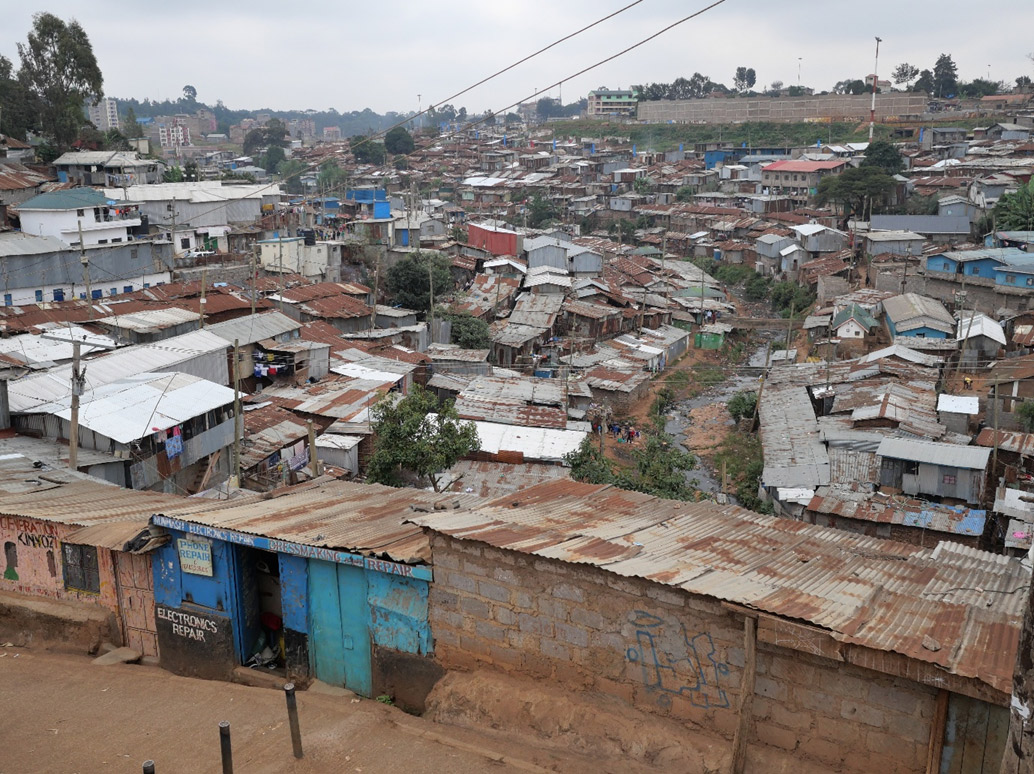 Looking out over the small, tin-roofed homes of Kibera |
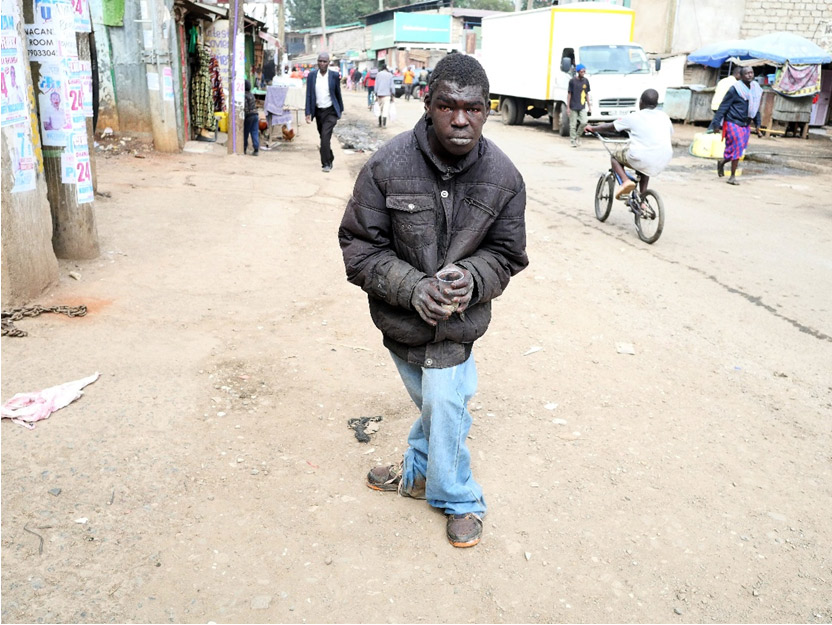 Homeless, disabled man, surviving in Kibera. |
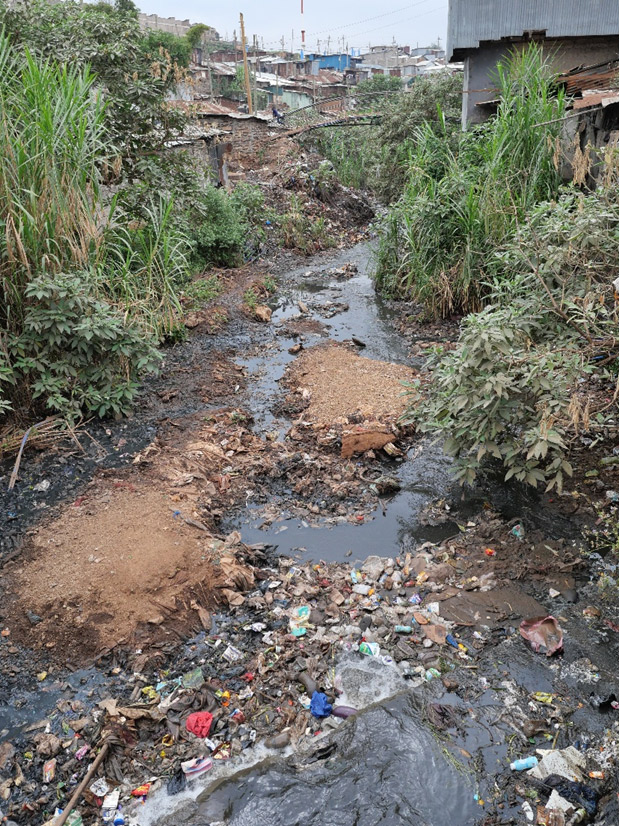 Stream, dump, toilet, running through Kibera |
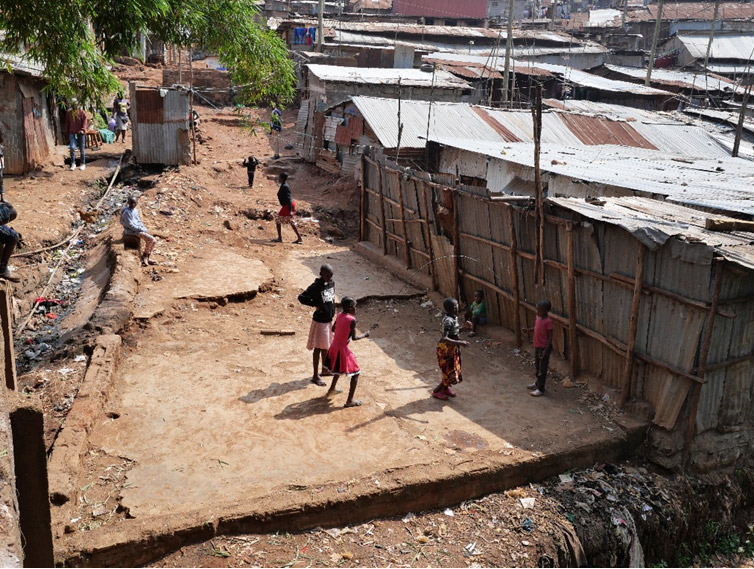 Children playing next to their homes and sewage |
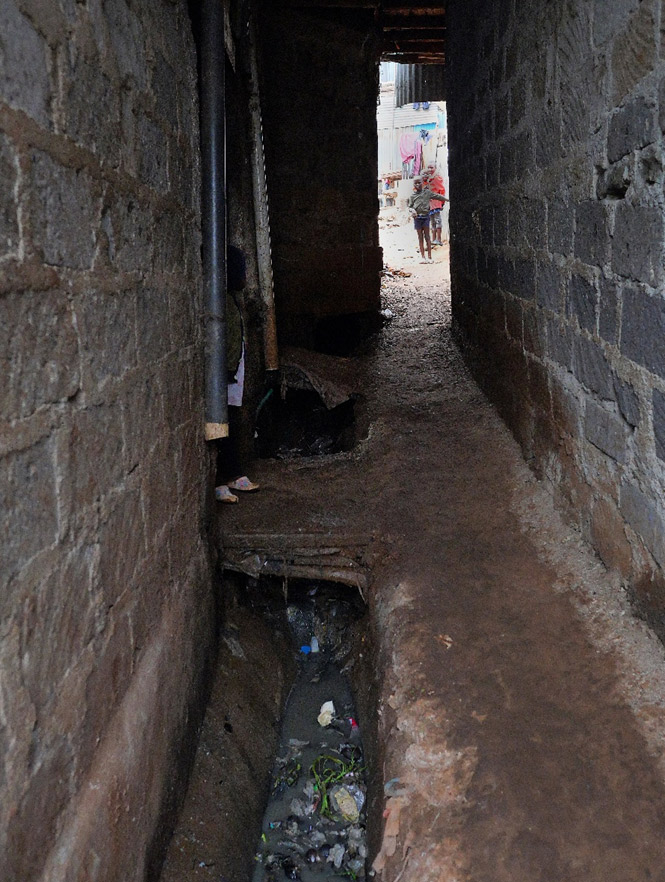 Toilet and footpath |
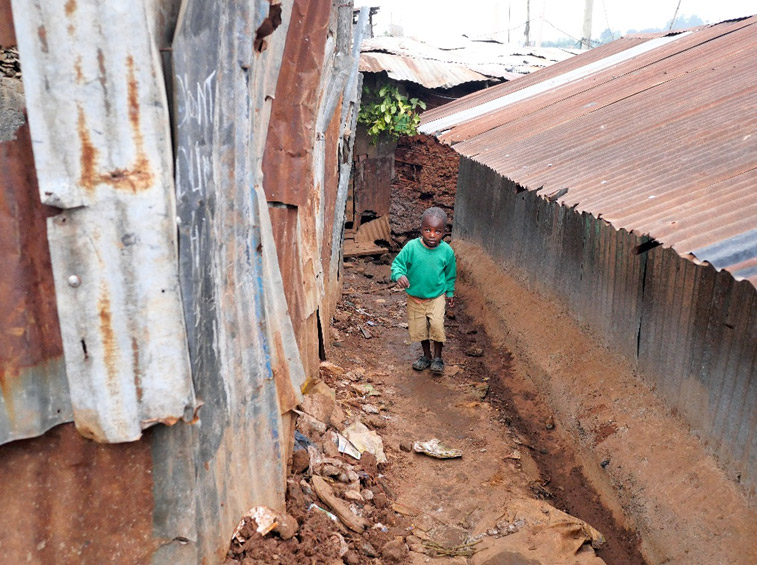 Footpath and sewage outside homes |
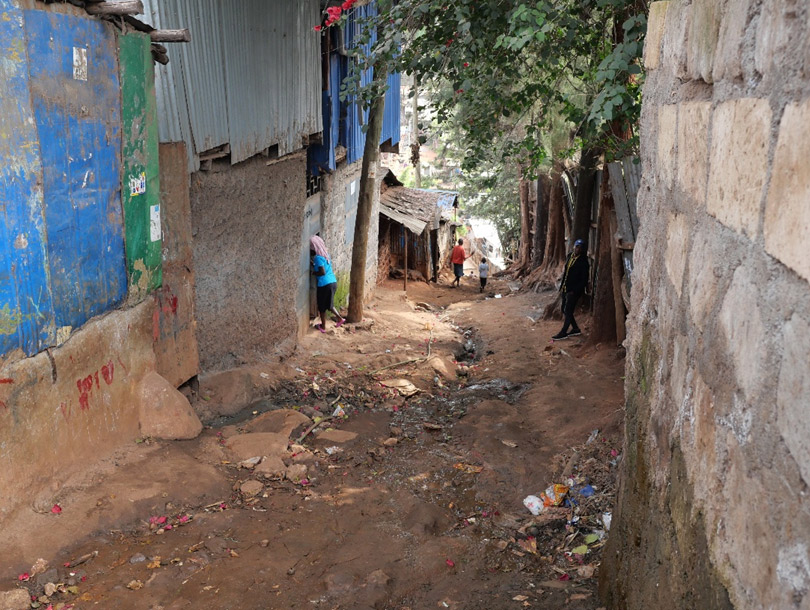 A main path running through Kibera |
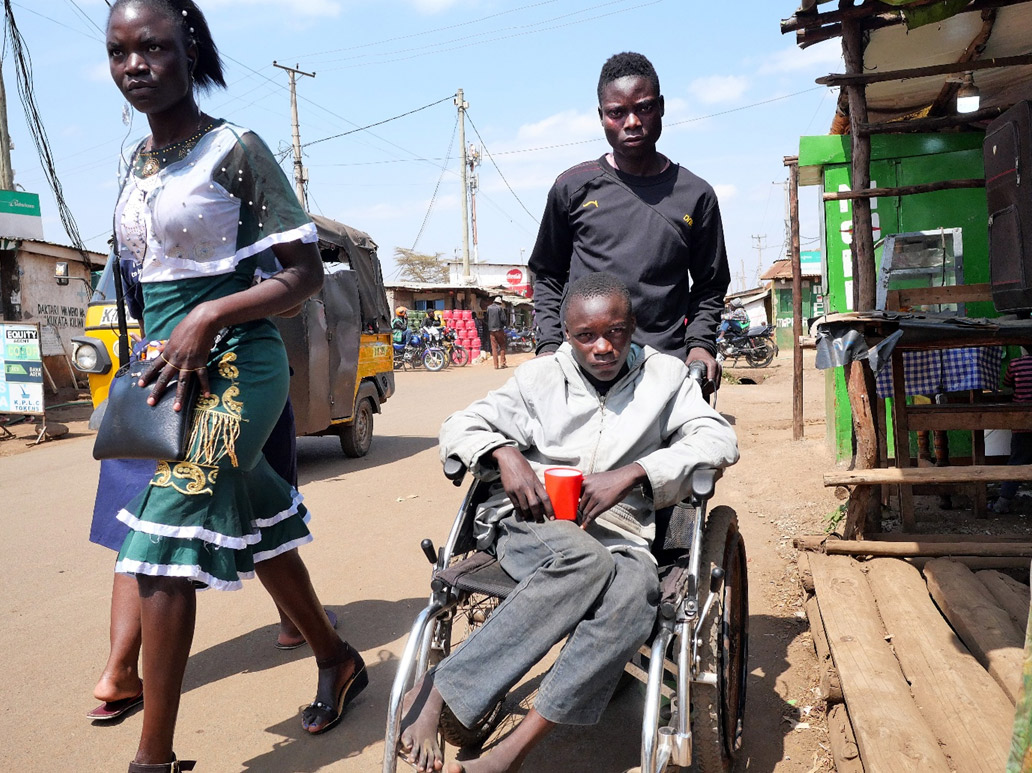 Non-Kenyan brothers working together to survive with the help of Kiberian families Non-Kenyan brothers working together to survive with the help of Kiberian families |
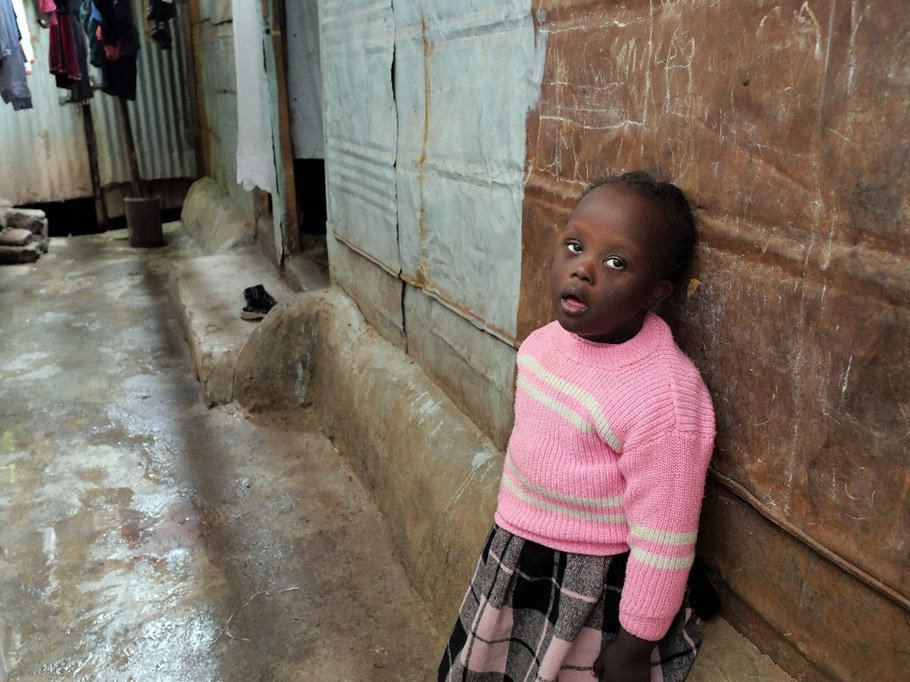 A fortunate girl with Down Syndrome outside her home in Kibera |
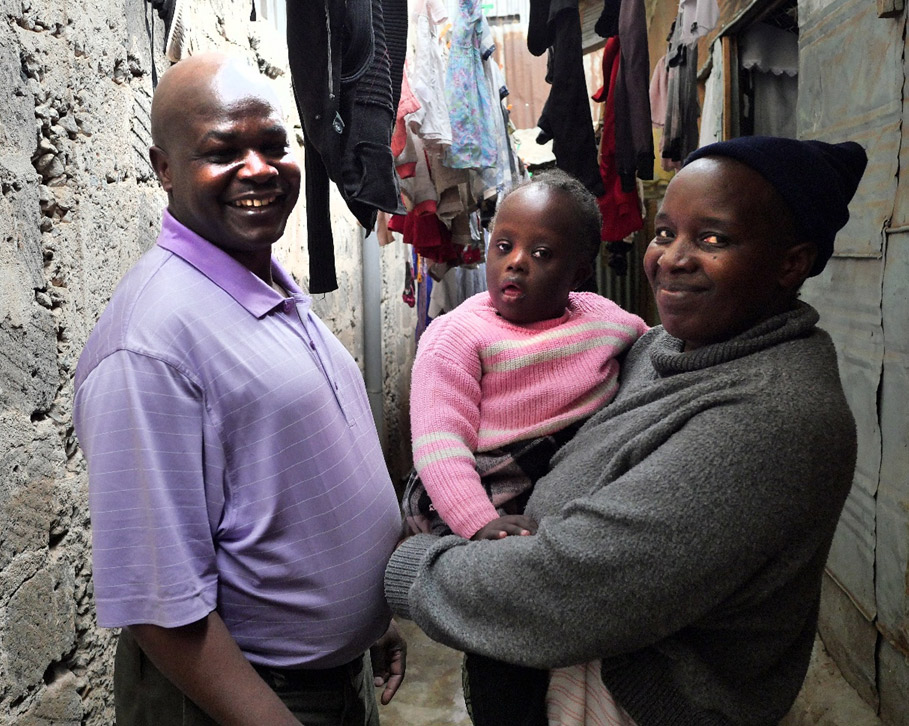 She has a loving family to support and care for her |
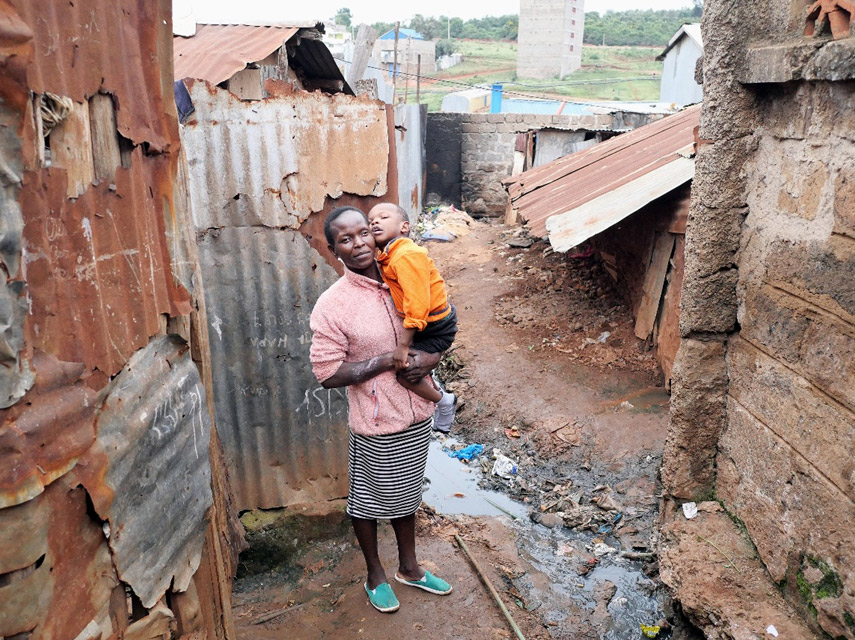 Young very disabled boy with his mother outside their home |
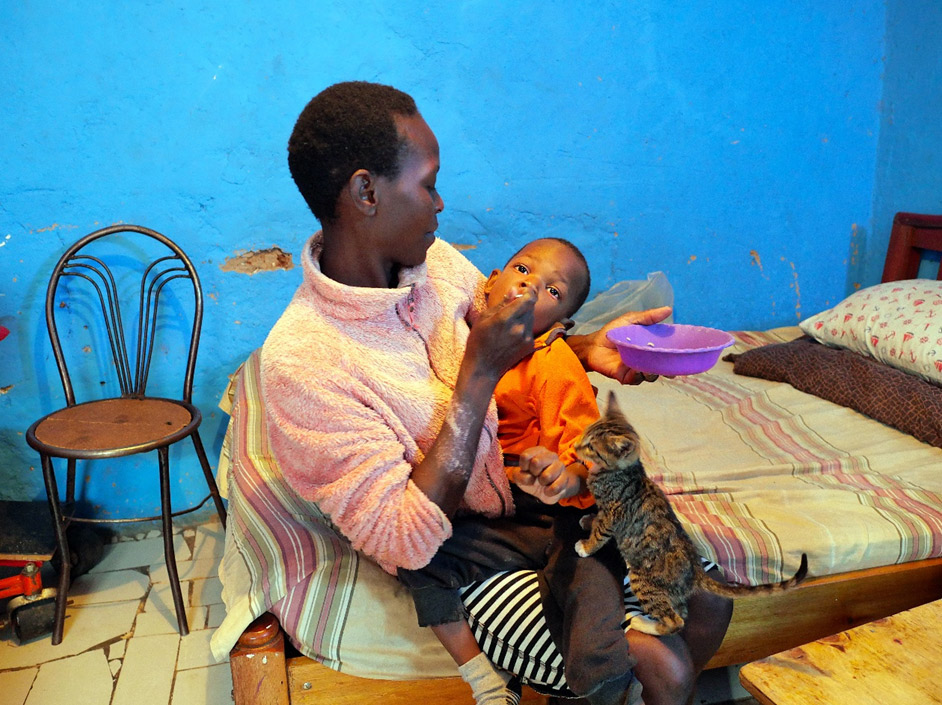 Feeding time with a loving mother and the family cat |
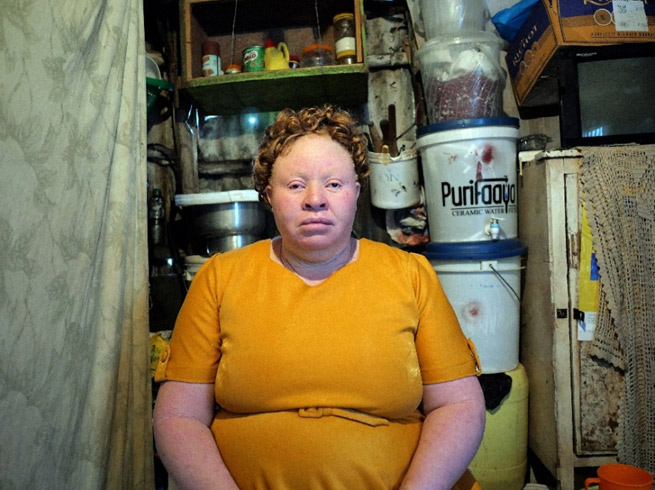 Despite improvements for people with Albinism in Kenya, who have historically suffered attacks and discrimination, a United Nations expert has signalled that “much remains to be done”, especially when it comes to accessing equal treatment under the law. |
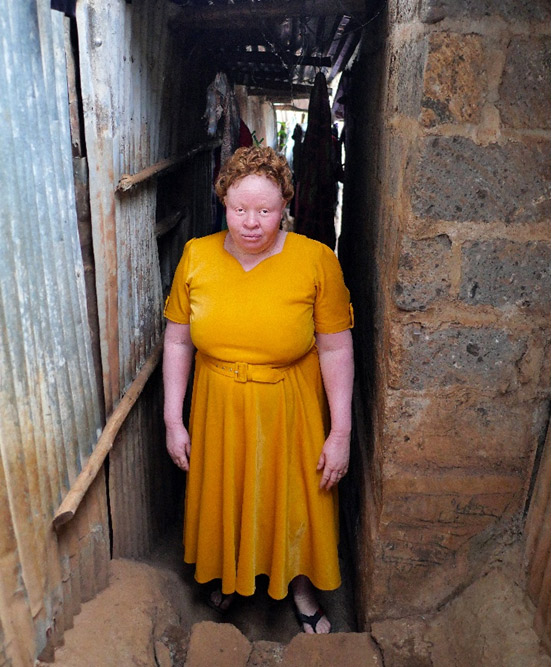 Amani has a difficult life but is supported by neighbours. However, people with albinism in East Africa have been persecuted, killed, dismembered, and ostracised, because they are presumed to be cursed and bring bad luck. |
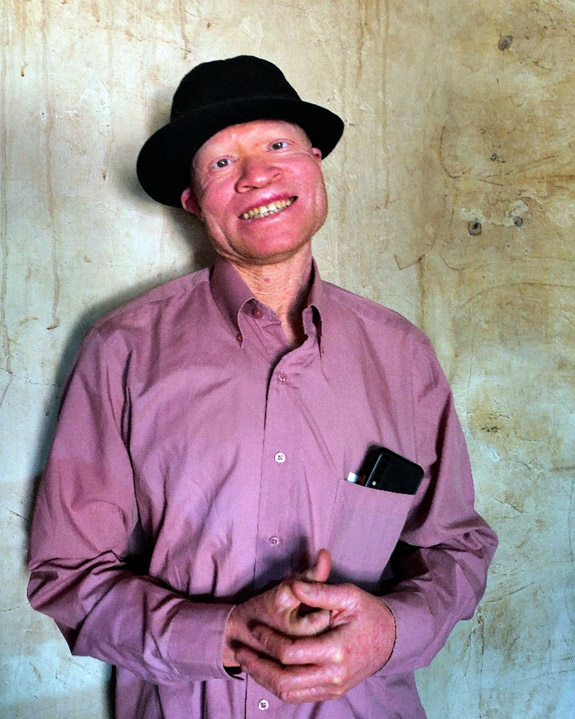 Despite his albinism Tumaini has a good life |
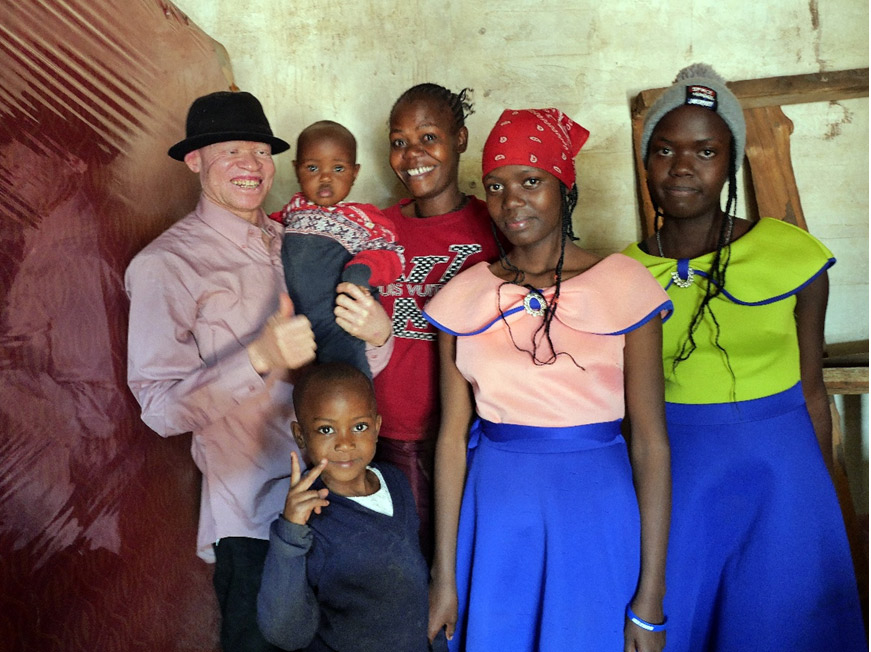 Tumaini has a good carpet business and a thriving family |
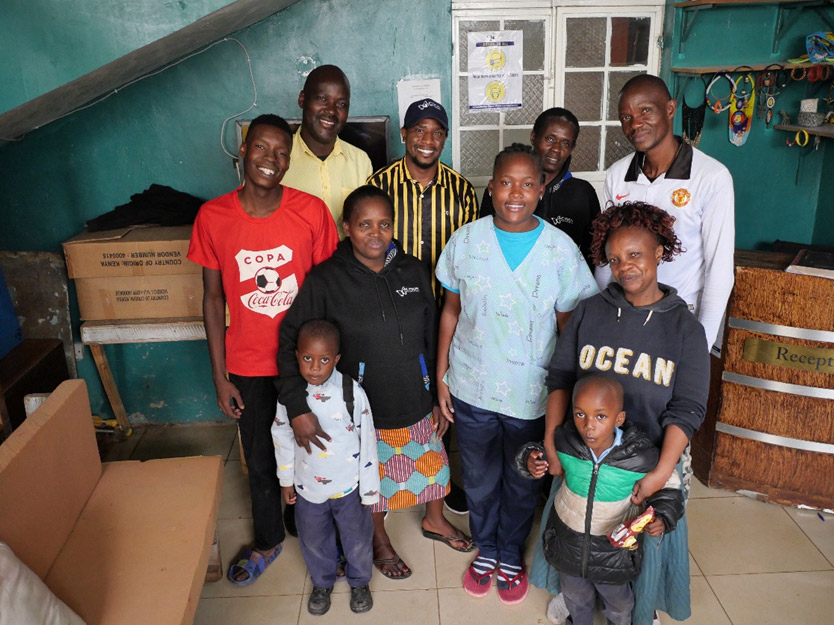 A few of the supporters and volunteers of The Action Foundation |
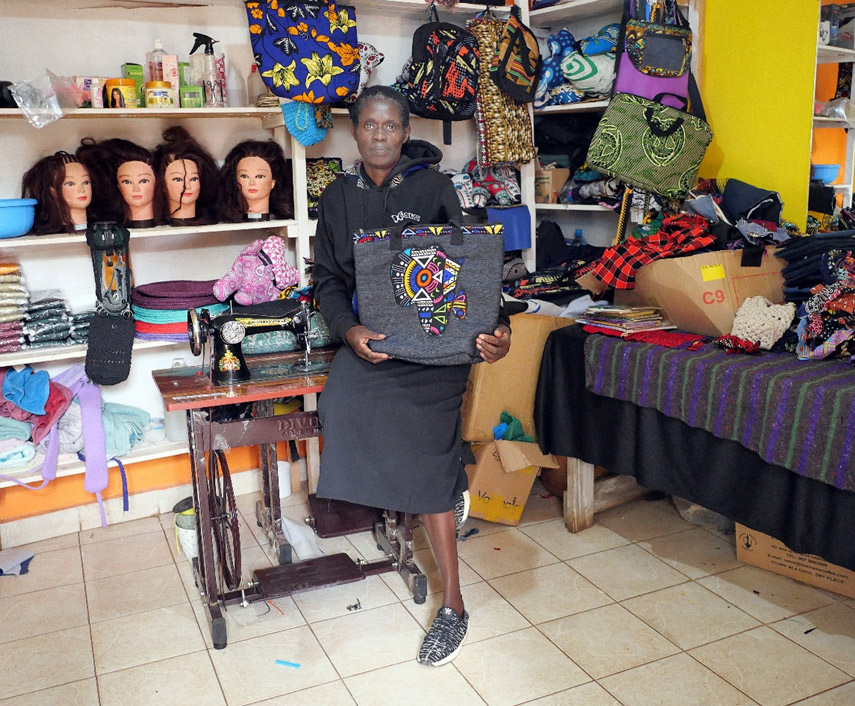 The Action Foundation’s shop where goods, made by Kibera’s disabled people, are sold |
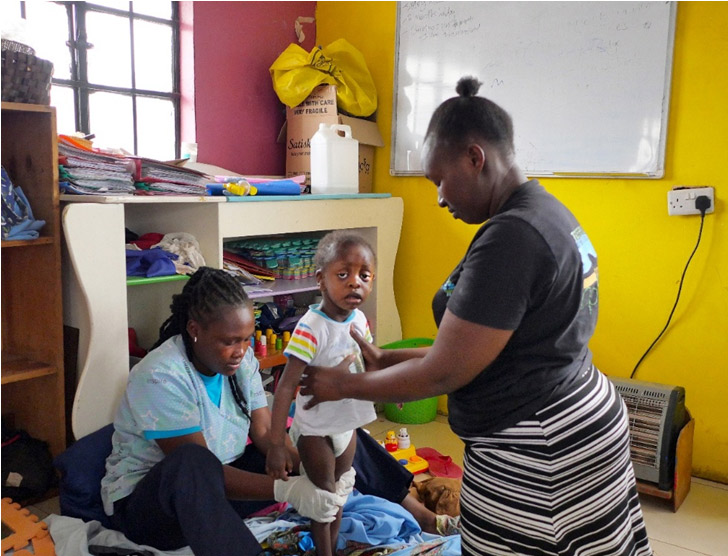 The work of The Action Trust is varied. Here a boy receives physiotherapy |
| Stretching and strengthening his limbs |
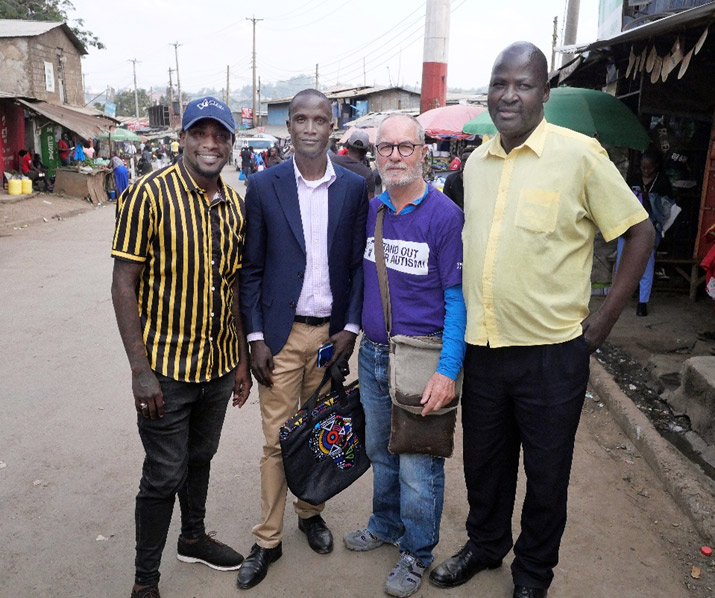 Thanks to The Action Trust staff who kept me safe during my visit to Kibera |